

How to Turn Commodities into Aspirational Must-Haves
Introduction: The Soap that Says Something About You
Think about the last time you bought soap. Did you grab the generic bar on sale, or did you reach for the artisanal, sustainably-made one wrapped in eco-friendly packaging? The kind that makes you feel like you’re doing something good for the planet—and yourself?
That’s the power of a lifestyle brand. It turns a routine purchase into a meaningful statement. It’s no longer about soap; it’s about identity, values, and belonging.
For startups and small businesses, turning everyday products into lifestyle essentials isn’t just clever—it’s a necessity in a crowded market. This piece explores how to elevate the mundane into the aspirational. We’ll look at the psychology behind why people buy into lifestyles, not just products, and share actionable strategies to help you build a brand that people don’t just buy from—they believe in.
Understanding What Makes a Lifestyle Brand
More Than a Product
Lifestyle brands go beyond functionality. They align with values, aspirations, and aesthetics to become part of a customer’s identity. A bar of soap isn’t just soap—it’s a symbol of sustainability, self-care, or indulgence.
A Brief History
This isn’t a new concept. Marlboro didn’t sell cigarettes—they sold the rugged independence of the “Marlboro Man.” Today, brands like Patagonia, Glossier, and Erewhon apply the same principles in ways that resonate with modern audiences
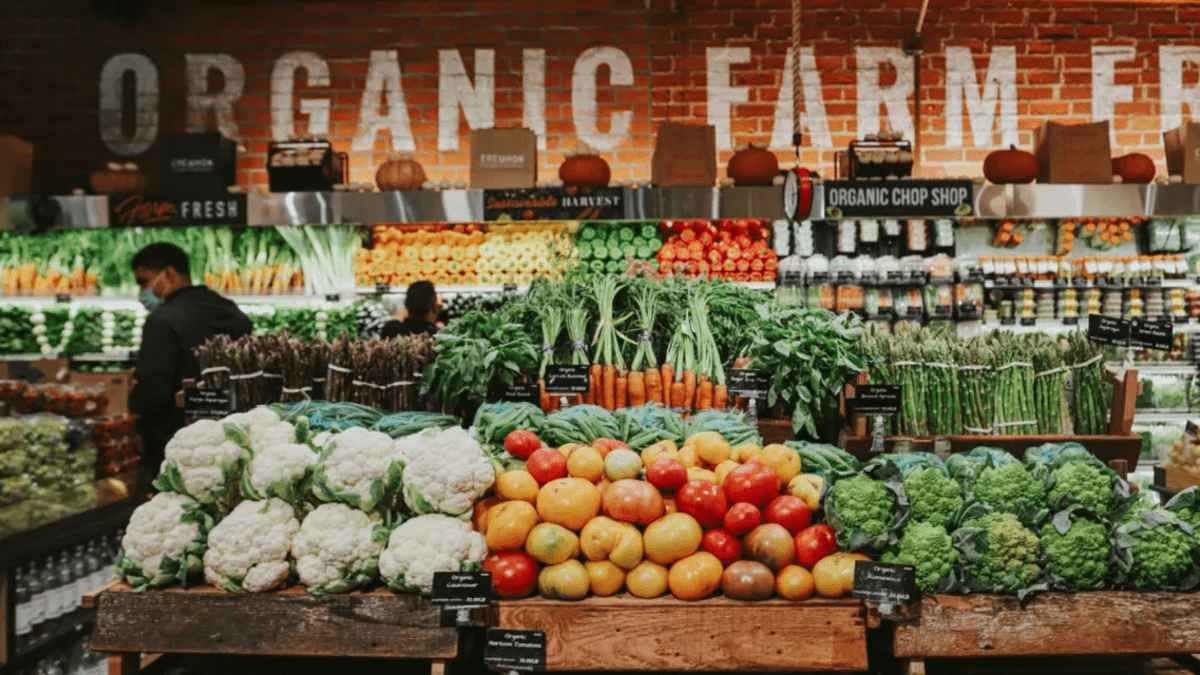
Case Study: Erewhon
Erewhon started as an organic grocer but became a symbol of wellness-chic living. Its curated selection, impeccably designed stores, and high price points don’t just sell food—they sell a lifestyle. Shopping there says, “I care about health, aesthetics, and being ahead of trends.”
The Challenge
Lifestyle branding is a balancing act. It’s not enough to slap a pretty logo on something mundane. Your messaging, product, and customer experience must all work together to create authenticity—or risk coming off as a hollow marketing gimmick.
Step 1: Know Exactly Who You’re Talking To
You can’t be a lifestyle brand for everyone. The magic happens when you connect deeply with a specific group of people.
Find Your Niche
Go beyond broad demographics like “millennials” or “eco-conscious shoppers.” Focus on psychographics—what your audience values, aspires to, and struggles with.
Tools to Understand Your Audience
- Surveys and Focus Groups: Go beyond the surface and ask questions that reveal pain points and motivations.
- Social Listening: Monitor platforms like Reddit and Instagram to understand conversations in your space.
- Data Insights: Platforms like Google Analytics and Brandwatch can help you pinpoint behaviors and preferences.
Case Study: Whole30
Whole30 turned a diet program into a lifestyle brand by understanding the aspirations of its health-conscious audience. They didn’t just sell products—they built a community around transformation and accountability.
Avoid the Trap
Don’t over-segment to the point where your audience becomes too narrow. A niche is important, but inclusivity ensures scalability.
Step 2: Build a Story People Care About
Stories Sell. Period.
A good lifestyle brand has a narrative that connects emotionally. It’s not just about what you sell—it’s about why you sell it.
Crafting Your Brand Story
- Be Authentic: Why did you start this business? Share your challenges, your wins, and what drives you.
- Evoke Emotion: Tap into feelings like nostalgia, aspiration, or even rebellion.
- Highlight Impact: How does your product or mission make the world better, even in a small way?

Case Study: Margaritaville
Jimmy Buffett’s Margaritaville isn’t just a restaurant chain—it’s an escape to paradise. They sell escapism, relaxation, and a feeling of being carefree, and it all started with a simple song.
Step 3: Design for a Lifestyle
It’s All in the Details
Your product needs to look, feel, and function like it belongs in the life your audience wants. From materials to design, every detail should align with your brand’s message.
Case Study: VERLOOP
VERLOOP took leftover yarn and transformed it into colorful, sustainable lifestyle products. By blending aesthetics with eco-conscious values, they’ve won over customers who care about both style and sustainability.
The Balance
Don’t let aesthetics overshadow functionality. No one wants a product that looks great but doesn’t deliver on its promise.
Step 4: Create a Community
Brands Are Built on Belonging
A lifestyle brand thrives when customers feel like they’re part of a movement. Community turns casual buyers into lifelong advocates.
Ways to Build Community
- Engage on Social Media: Go beyond promotions—ask questions, share stories, and celebrate your customers.
- User-Generated Content (UGC): Encourage your audience to share their experiences with your product.
- Exclusive Events: From online webinars to pop-up shops, events create real connections.
Case Study: La DoubleJ
By listening to their community, La DoubleJ expanded into new categories while staying true to their design philosophy. This responsiveness deepened their connection with loyal customers.
Warning
Superficial attempts to create community will backfire. People can spot fake engagement from a mile away.
Step 5: Use Influencers Thoughtfully
Authenticity First
Influencers can amplify your message, but only if they genuinely align with your brand. Choose creators who live the lifestyle you’re promoting—not just the ones with big follower counts.
Case Study: Tala
Sustainable activewear brand Tala tapped into influencer partnerships to promote eco-conscious living. Their choice of advocates reflected their values, which resonated with their audience.
The Risk
Relying too heavily on influencers can backfire if they become embroiled in controversy. Diversify your strategy to avoid over-dependence.
Step 6: Consistency Is Key
Create a Cohesive Identity
Your visuals, tone, and messaging need to feel seamless across every touchpoint—from Instagram posts to product packaging.
Case Study: Burberry
Burberry’s rebrand in the early 2000s was a masterclass in consistency. By modernizing its visual identity and leaning into digital innovation, the brand stayed relevant while preserving its heritage.
Final Thoughts: Everyday Products, Extraordinary Brands
Turning an ordinary product into a lifestyle brand isn’t about manipulation—it’s about meaning. When you connect your product to values, aspirations, and identity, you’re not just selling—you’re building relationships.
Start with a clear understanding of your audience. Craft a story that speaks to their hearts, create products that align with their values, and nurture a community that makes them feel seen. Do it right, and your brand won’t just stand out—it’ll stand for something.

